
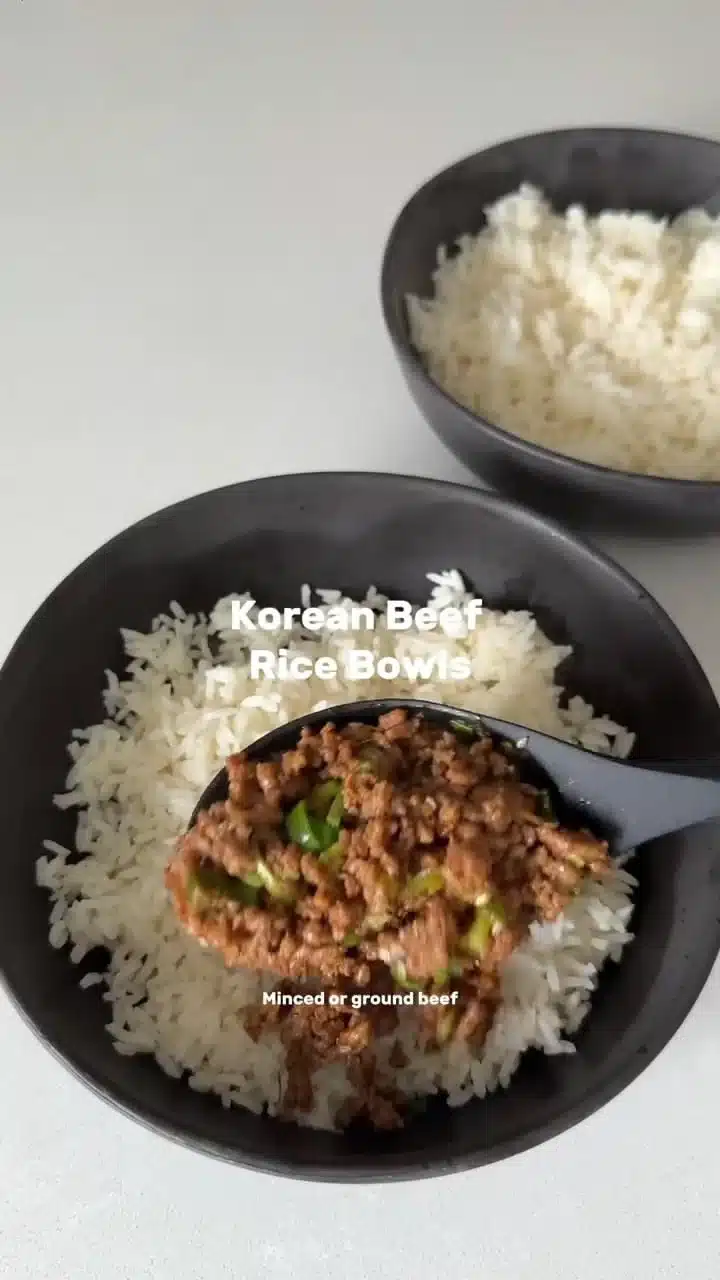

How to make Korean Beef Rice Bowls
Making Korean Beef Rice Bowls is simple, quick, and absolutely delicious. This dish is full of flavor and provides a hearty meal that is perfect for weeknights or any day you want to indulge in something tasty.
Ingredients
To make Korean Beef Rice Bowls, gather the following ingredients:
- 1 lb minced beef
- 2 tablespoons soy sauce
- 1 tablespoon brown sugar
- 2 garlic cloves, minced
- 1 tablespoon rice vinegar
- 1 teaspoon sesame oil
- Cooked rice (about 2 cups)
- Sliced green onions (for garnish)
- Sesame seeds (for garnish)
- Optional: sliced vegetables (cucumbers, carrots, etc.)
Directions
Follow these simple steps to prepare your Korean Beef Rice Bowls:
- In a large skillet, cook the minced beef over medium heat until it is browned. This should take about 5 to 7 minutes.
- If there’s excess fat, drain it off to keep your dish from becoming greasy.
- Next, stir in the soy sauce, brown sugar, minced garlic, rice vinegar, and sesame oil. Mix everything well to combine all the flavors.
- Cook for an additional 2-3 minutes until the sauce thickens slightly. This will enhance the flavor of the beef.
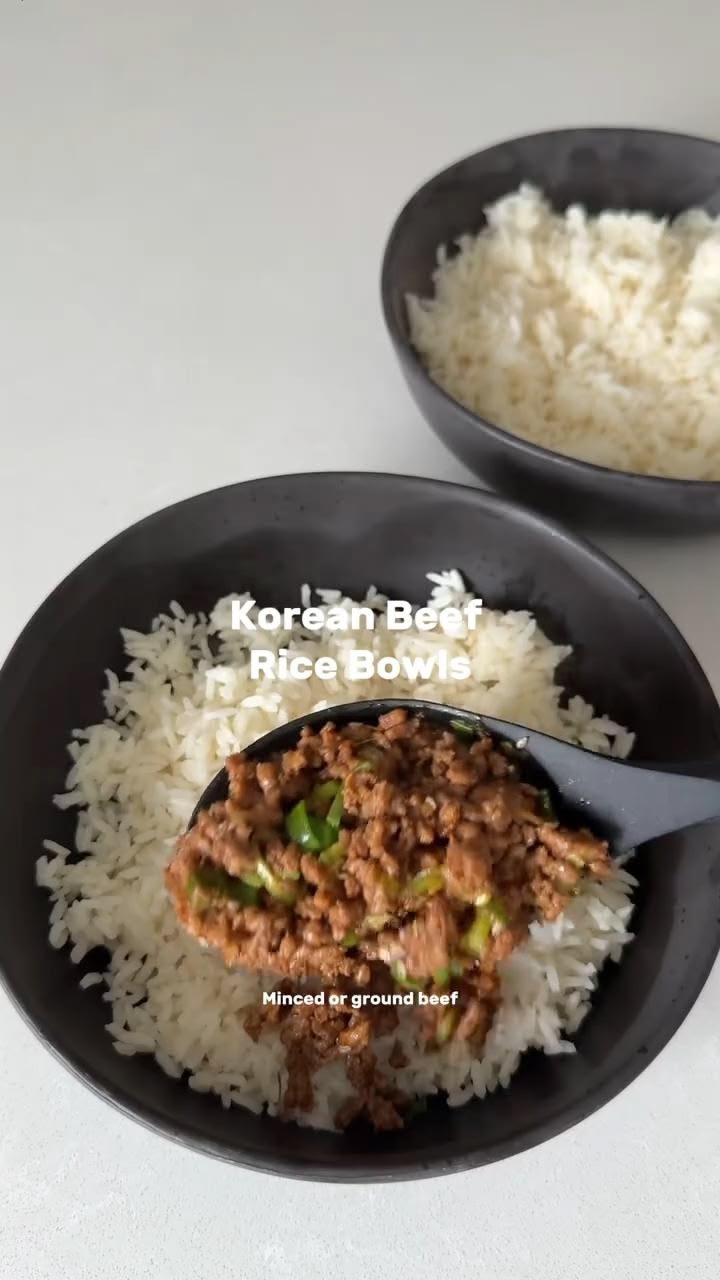
- To serve, place the cooked beef over a bed of rice. Top it with sliced green onions, sesame seeds, and any optional sliced vegetables you choose.
- Enjoy your Korean beef rice bowls!
Why You’ll Love This Korean Beef Rice Bowl
Korean Beef Rice Bowls are truly delightful. The combination of savory beef with a hint of sweetness from the brown sugar makes every bite enjoyable. The dish is also highly customizable; you can add your favorite vegetables or spices to suit your taste.
Moreover, this meal is quick to prepare—perfect for busy weeknights. You’ll likely find you can have it on the table in about 20 minutes!
Nutritional Benefits
This dish has several nutritional benefits:
- Protein: The minced beef is a great source of protein, which helps build muscles and keep you full.
- Vitamins and Minerals: The addition of sliced vegetables like cucumbers and carrots not only adds flavor but also provides essential vitamins and minerals.
- Healthy Fats: Sesame oil contributes healthy fats, making the meal satisfying without being too heavy.
Nutritional Information (per serving)
| Nutrient | Amount |
|——————|————-|
| Calories | 400 |
| Protein | 25g |
| Carbohydrates | 45g |
| Fat | 15g |
(Note: Values are approximate and may vary based on the specific ingredients used.)
What to Serve With Korean Beef Rice Bowls
Korean Beef Rice Bowls are versatile and can be paired with a variety of sides:
- Kimchi: This fermented vegetable dish adds a spicy and tangy flavor that complements the savory beef.
- Steamed Vegetables: Broccoli or bok choy offer a healthy side that balances the meal.
- Egg: A fried egg on top of your rice bowl can make your dish more filling and add creaminess.
How to Store Korean Beef Rice Bowls
Storing your leftovers is easy. Here’s how to do it:
- Allow the Korean beef to cool down completely.
- Place it in an airtight container and store it in the refrigerator. It will last for about 3-4 days.
- For longer storage, you can freeze the beef mixture (without rice) in a freezer-safe container for up to 3 months.
When you’re ready to eat, simply reheat the beef on the stovetop or in the microwave. Cooked rice can also be stored in the same way.
Tips and Mistakes to Avoid
To make the best Korean Beef Rice Bowls, keep these tips in mind:
- Don’t Overcook the Beef: Cooking the beef until it’s just browned retains its tenderness. Overcooking can make it tough.
- Adjust Sweetness: If you prefer a sweeter flavor, you can increase the brown sugar. Just keep tasting until it suits your palate.
- Prep Ahead: Prepare your vegetables in advance for quick assembly during busy nights.
Variations
Want to mix things up? Here are a few variations to consider:
- Spicy Version: Add some gochujang (Korean chili paste) for a spicier kick.
- Substitute Meats: Try using ground chicken or turkey instead of beef for a leaner option.
- Add Tofu: For a vegetarian version, replace the beef with crumbled tofu and follow the same steps.
FAQs
1. Can I use frozen minced beef?
Yes, you can use frozen minced beef. Just thaw it in the refrigerator overnight and use it as instructed in the recipe.
2. How can I make this dish gluten-free?
To make this dish gluten-free, use tamari instead of soy sauce. Tamari is a gluten-free soy sauce substitute that works perfectly in this recipe.
3. Can I use brown rice instead of white rice?
Absolutely! Brown rice adds extra fiber to the meal. However, remember that it will take longer to cook, so plan accordingly.
Korean Beef Rice Bowls are a delicious and fulfilling meal that can be modified to suit everyone’s preferences. Whether you’re looking for a quick weeknight dinner or something special to share with family, this recipe is sure to please! Enjoy the delightful flavors and customization that make this dish a favorite.
Print
Korean Beef Rice Bowls
- Total Time: 20 minutes
- Yield: 4 servings 1x
- Diet: Gluten-Free
Description
A quick and flavorful dish featuring savory minced beef atop a bed of rice, topped with green onions and sesame seeds.
Ingredients
- 1 lb minced beef
- 2 tablespoons soy sauce
- 1 tablespoon brown sugar
- 2 garlic cloves, minced
- 1 tablespoon rice vinegar
- 1 teaspoon sesame oil
- 2 cups cooked rice
- Sliced green onions (for garnish)
- Sesame seeds (for garnish)
- Optional: sliced vegetables (cucumbers, carrots, etc.)
Instructions
- In a large skillet, cook the minced beef over medium heat until it is browned (about 5 to 7 minutes).
- If there’s excess fat, drain it off.
- Next, stir in the soy sauce, brown sugar, minced garlic, rice vinegar, and sesame oil. Mix well.
- Cook for an additional 2-3 minutes until the sauce thickens slightly.
- To serve, place the cooked beef over a bed of rice and top with sliced green onions, sesame seeds, and any optional sliced vegetables.
Notes
Adjust sweetness to your liking by varying the amount of brown sugar. For extra flavor, consider adding gochujang for spice.
- Prep Time: 10 minutes
- Cook Time: 10 minutes
- Category: Main Course
- Method: Stovetop
- Cuisine: Korean
Nutrition
- Serving Size: 1 serving
- Calories: 400
- Sugar: 6g
- Sodium: 600mg
- Fat: 15g
- Saturated Fat: 5g
- Unsaturated Fat: 8g
- Trans Fat: 0g
- Carbohydrates: 45g
- Fiber: 2g
- Protein: 25g
- Cholesterol: 70mg