
How to make Chow Mein
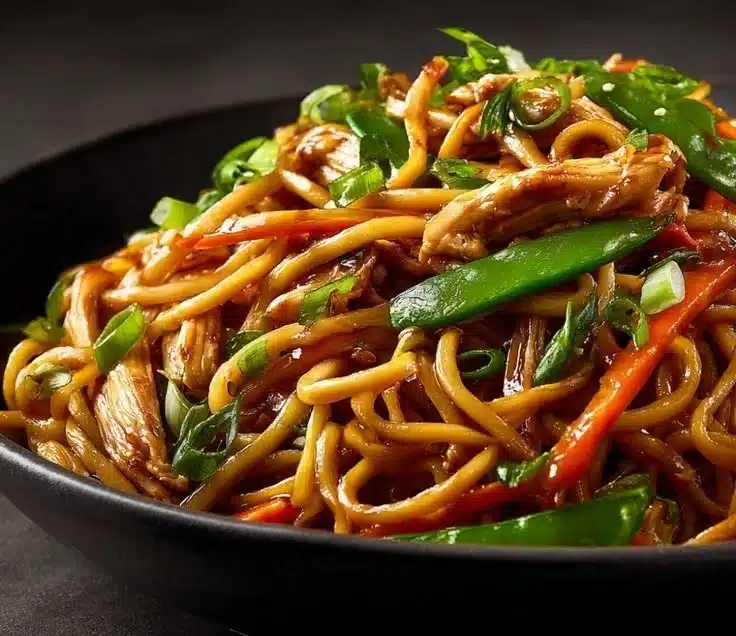
Chow Mein is a classic dish loved for its delicious flavors and satisfying texture. It’s often a favorite takeout option, but making it at home can be even better. Here’s how you can prepare this delightful dish yourself, ensuring that it’s fresh and customized to your taste.
Ingredients:
- 8 oz chow mein egg noodles (or yakisoba noodles)
- 1 lb boneless, skinless chicken breast (thinly sliced)
- 1 tbsp vegetable oil (plus more as needed)
- 2 cloves garlic (minced)
- 1 tsp fresh ginger (grated)
- 2 cups shredded green cabbage
- 1 cup carrots (julienned)
- 1 cup bean sprouts
- 3 green onions (sliced)
- 1/4 cup low-sodium soy sauce
- 2 tbsp oyster sauce
- 1 tbsp brown sugar (packed)
- 1 tsp toasted sesame oil
- 1 tsp cornstarch
Directions:
-
Begin by cooking the chow mein noodles according to the package directions, making sure to undercook them by 1 minute. Drain the noodles and rinse them with cold water to stop the cooking process.
-
In a small bowl, whisk together the sauce ingredients: low-sodium soy sauce, oyster sauce, brown sugar, toasted sesame oil, and cornstarch. Set it aside for later use.
-
Heat vegetable oil in a large wok or skillet over high heat. Once hot, add the thinly sliced chicken. Cook it while stirring occasionally until the chicken is browned and fully cooked. Remove the chicken from the wok and set it aside.
-
Add a little extra oil to the hot wok if needed. Toss in the shredded cabbage and julienned carrots. Stir-fry these veggies for about 2-3 minutes until they become tender-crisp.
-
Mix in the minced garlic and grated ginger, cooking for another 30 seconds until they become fragrant.
-
Return the cooked chicken to the wok. Add the drained noodles and bean sprouts. Pour the prepared sauce over everything in the wok.
-
Toss everything together constantly for 2-3 minutes. You want the sauce to thicken and coat all the ingredients evenly, ensuring that the noodles are heated through.
-
Once everything is well mixed and heated, remove the wok from heat.
-
Stir in the sliced green onions just before serving. Enjoy your homemade Chow Mein right away!
Why You’ll Love This Chow Mein
Making Chow Mein at home gives you complete control over the ingredients. You can adjust flavors, add extra vegetables, or even switch up the protein. The freshness of homemade Chow Mein beats takeout any day. The tender chicken with crunchy vegetables and the saucy noodles create a mouthwatering combination that’s hard to resist.
Nutritional Benefits
Chow Mein is packed with nutrients that can support a balanced diet:
- Protein: Chicken is a great source of lean protein that helps in muscle building and repair.
- Vitamins and Minerals: The colorful vegetables like cabbage and carrots provide essential vitamins A and C, along with fiber for a healthy digestive system.
- Low Sodium Options: With low-sodium soy sauce, you can enjoy your Chow Mein without an overload of salt, making it heart-friendly.
What to Serve With Chow Mein
Chow Mein is a complete dish on its own, but if you want to create a full meal, consider serving it with:
| Suggested Side Dishes |
|————————————|
| Spring Rolls |
| Egg Drop Soup |
| Fried Rice |
These sides complement the flavors of Chow Mein and provide a broader dining experience.
How to Store Chow Mein
If you have leftovers, storing Chow Mein is simple:
- Cool: Allow the Chow Mein to cool before storage.
- Container: Use an airtight container to keep it fresh.
- Refrigerate: Store the container in the refrigerator for up to 3 days.
- Reheat: When you’re ready to eat, reheat in a skillet over medium heat, adding a splash of water or soy sauce to regain some moisture.
Tips and Mistakes to Avoid
- Overcooking the Noodles: Follow package instructions carefully. Undercooking by a minute is key to prevent mushiness when stir-frying.
- Not Enough Oil: Make sure to add enough oil when stir-frying. This helps prevent sticking and ensures everything cooks evenly.
- Chopping Vegetables Uniformly: Cutting veggies in uniform sizes helps them cook evenly.
- Sauce Timing: Always add the sauce towards the end to keep the noodles from becoming too soggy.
Variations
Chow Mein is very versatile! Here are some ideas to mix things up:
- Vegetarian Option: Replace chicken with tofu or tempeh for a delicious vegetarian meal.
- Seafood: Try using shrimp or scallops for a delightful seafood twist.
- Extra Veggies: Add bell peppers, broccoli, or snap peas to enhance the dish’s nutritional value and flavor.
FAQs
Can I make Chow Mein in advance?
Yes, you can make Chow Mein in advance. Just follow the storage tips above, and it can be enjoyed later on!
Can I use other proteins?
Absolutely! You can substitute chicken for beef, pork, shrimp, or even tofu, depending on your preference.
Is Chow Mein gluten-free?
Traditional Chow Mein uses soy sauce, which contains gluten. However, you can use gluten-free soy sauce to make a gluten-free version.
How can I make it spicier?
For a spicy kick, try adding sliced jalapeños or a dash of chili sauce to the mix when cooking the vegetables.
Preparing Chow Mein at home opens up a world of flavors and options. It’s delicious, nutritious, and satisfying, making it an ideal choice for dinner any night of the week! Enjoy the wonderful combination of flavors and textures that Chow Mein brings to your table.