
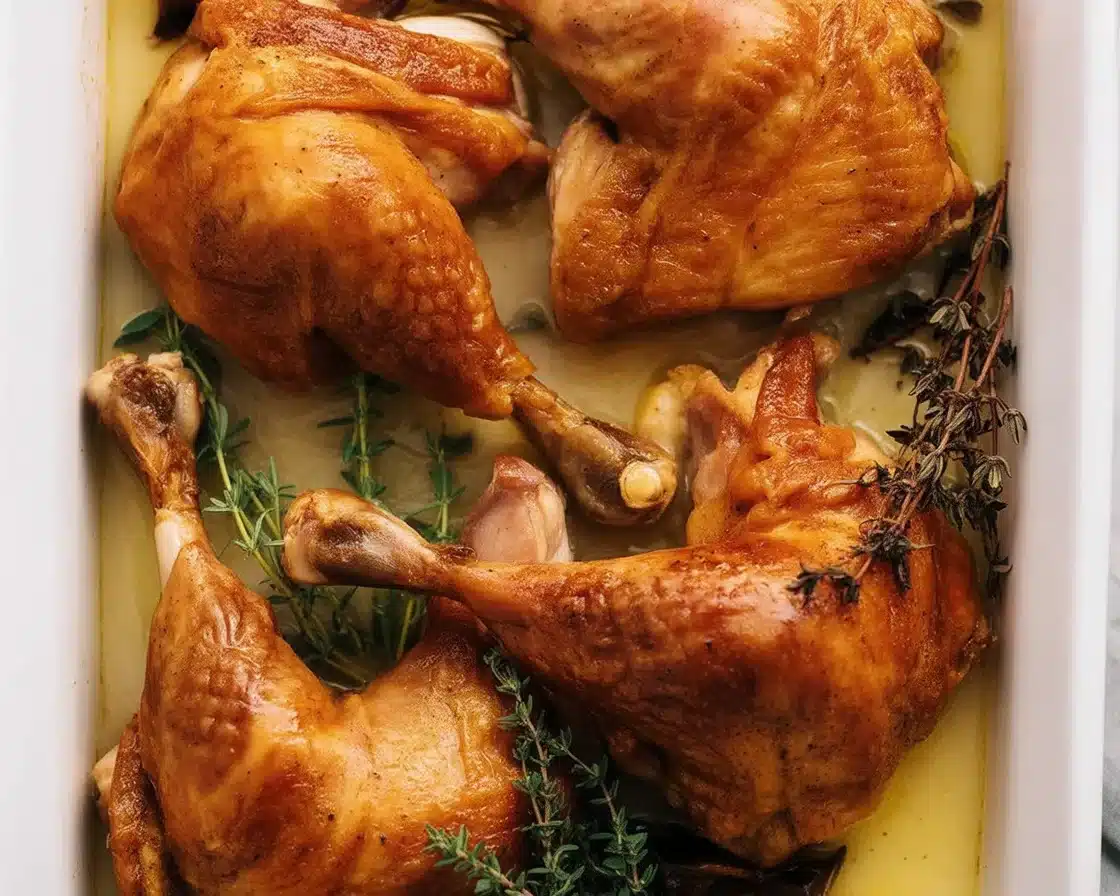


recipes with duck confit can feel like a big project, but I promise it’s totally doable at home. If you’ve ever craved that crispy skin and tender meat that falls right off the bone, you’re in the right place. I used to think duck confit belonged only in fancy restaurants. Then I tried it in my little oven, and wow, it was a game changer. Today I’m sharing what works, what to skip, and how to speed things up if you’re short on time. Let’s make something that tastes luxurious without being fussy. 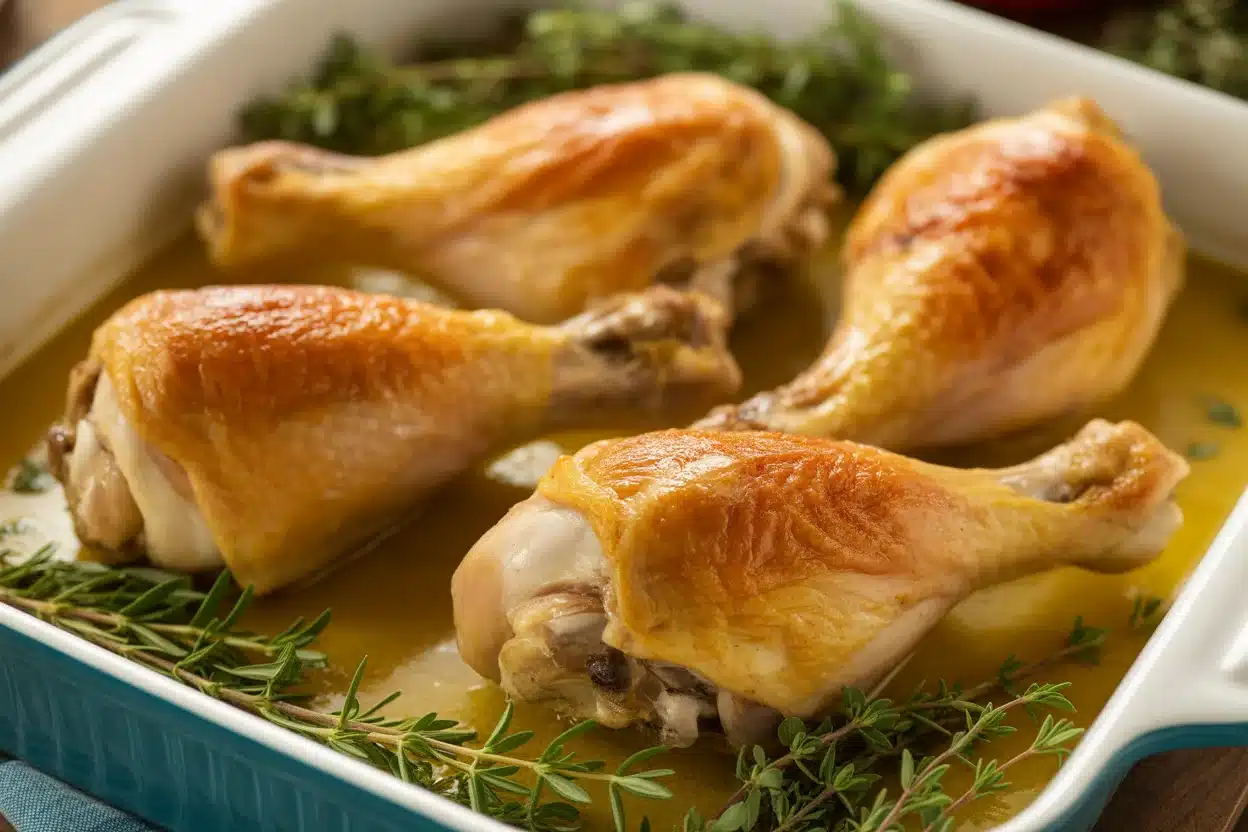
The Pros of Traditional Duck Confit
When people ask why I love duck confit, I always start with the texture. The slow cooking gives you incredibly tender meat with that **shatteringly crisp skin** once you finish it in a hot pan. It’s also a great make-ahead option. You can cook the legs, store them under fat, and crisp them right before serving. That means less stress when guests are over.
Another plus: flavor. The cure draws out moisture and seasons the meat deeply. Even simple sides taste amazing next to it. Think garlicky greens, roast potatoes, or buttery noodles. And yes, it’s versatile. You can flake it into salads, tuck it into tacos, or toss it with pasta. The leftover fat is liquid gold for roasting veggies or frying eggs.
On the practical side, duck confit is also forgiving. No tricky searing first, no elaborate steps. You tuck it in the oven and let it do its thing. If you want to stretch it, shred the meat and use it across multiple meals. That’s a good way to make this special dish fit into a busy week.
“I made duck confit for a date night at home, and my partner actually asked if I secretly ordered it in. The leftovers turned into a perfect pasta dinner the next day. Now it’s our go-to when we want to feel fancy without going out.”
The Cons of Traditional Duck Confit
There are a few realities to know before diving in. First, time. Traditional confit uses a salt cure that rests anywhere from 12 to 24 hours. Then you slow-cook the legs for a few hours. None of this is hard, but it does require planning.
Second, you need duck fat. You can reuse it for months with proper storage, but buying it can feel like a splurge. A workaround is to render fat from duck trimmings or use a mix of duck fat and neutral oil. Still, for the best flavor, I recommend mostly duck fat.
Cleanup can be a bit greasy too. Use a roasting dish with higher sides and line your workspace. Store the fat carefully in a jar once it cools. Also, duck confit is rich. That’s part of the charm, but you’ll want bright, fresh sides to balance it out.
Finally, sourcing duck legs may take a little effort depending on where you live. Good butcher shops or online meat sources are your friends. Once you’ve got them, though, the rest is very manageable.

How to Make Traditional and Koji Confit in the Oven
This is the method I use over and over. It’s reliable, tasty, and doesn’t need fancy tools. I’m also sharing a quicker koji-style shortcut for when you want the deep flavor in less time. If you’re choosing among recipes with duck confit, this gives you both the classic route and the speedy one.
What You’ll Need
- Duck legs: 2 to 4 legs, bone-in and skin-on
- Duck fat: about 2 to 3 cups, enough to submerge the legs in the baking dish
- Salt and pepper: kosher salt is best for even seasoning
- Aromatics: garlic cloves, thyme, bay leaves, crushed peppercorns
- Optional: lemon zest or orange peel for a subtle lift
Traditional Confit: Step-by-Step
1. Cure the legs. Pat the legs dry. Sprinkle about 1 to 1.25 teaspoons kosher salt per leg, plus pepper. Add smashed garlic, thyme, and a bay leaf or two. Cover and chill for 12 to 24 hours. This seasons the meat and helps draw out moisture.
2. Rinse and dry. Rinse off the cure briefly and pat the legs very dry. You don’t want wet skin when you crisp later.
3. Low and slow in the oven. Heat the oven to 250 F. Nestle legs in a snug baking dish and pour in melted duck fat until mostly covered. Add aromatics if you like. Cook for 2.5 to 3.5 hours until the meat is very tender and a skewer slides in easily.
4. Chill under fat. Let cool slightly, then transfer legs and fat to a container so the meat stays submerged. Chill. This step builds flavor and makes the meat even silkier. It also means you can make it ahead and serve whenever.
5. Crisp before serving. Pull the legs from the fat, wipe off excess, and crisp in a hot skillet skin-side down with a thin slick of fat until golden and glassy. Or pop under the broiler for a few minutes. Watch closely.
Koji-Style Fast Cure
If you’ve seen folks talk about koji, it’s basically a rice inoculated with a friendly mold that supercharges umami and speeds up curing. Here’s a gentle shortcut for busy nights.
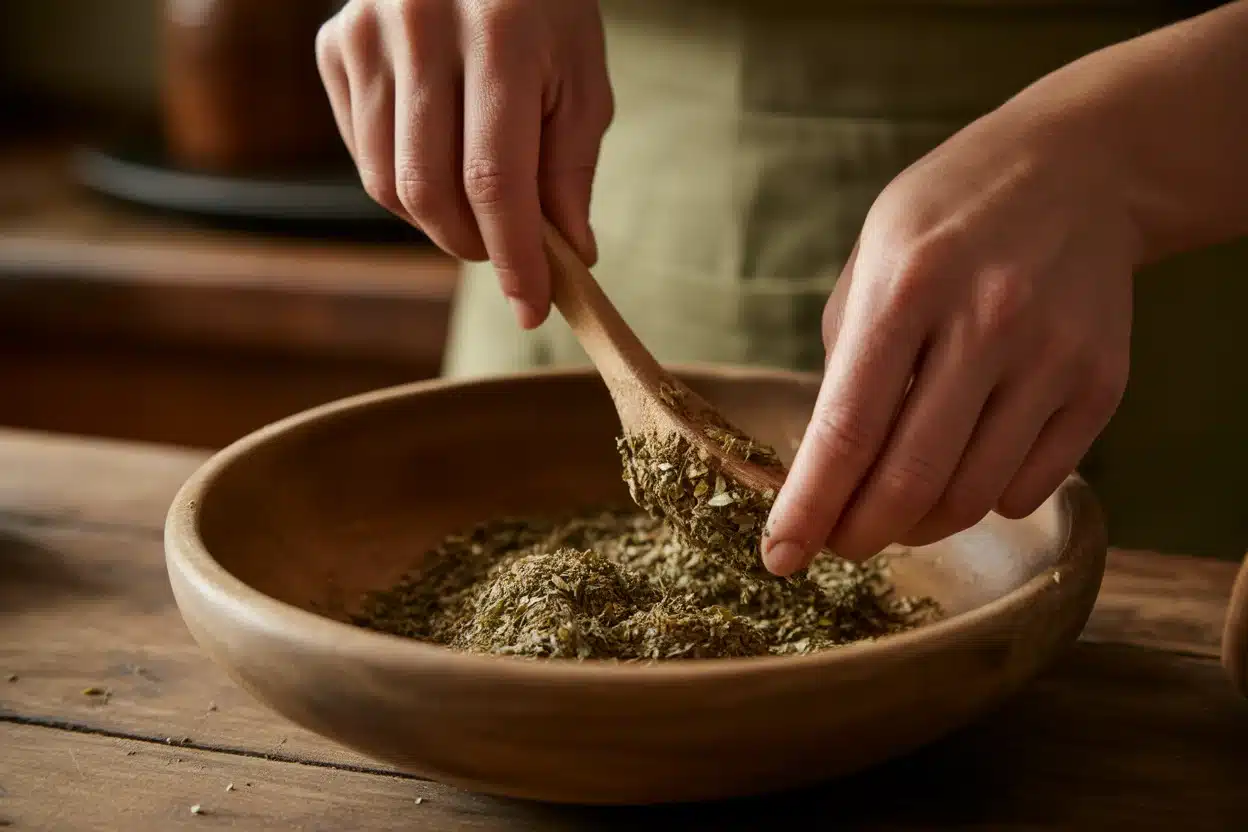
1. Rub and rest. Mix 1 teaspoon kosher salt per leg with 0.5 to 1 teaspoon powdered koji rice per leg. Rub on the duck and rest for 3 to 4 hours in the fridge. It’s faster than the classic overnight cure, and it adds a subtle savory depth.
2. Cook slightly hotter. Roast submerged in fat at 275 to 300 F for about 2 to 2.5 hours until tender. Chill and crisp as above.
Flavor-wise, koji gives a gentle sweetness and big umami. If you want the old-school taste, stick to the traditional cure. If you want great confit on a weeknight, koji keeps you moving.
Serving Suggestions
Keep sides simple. I love a pile of soft polenta with lemony kale. Or twirl buttery noodles with the shredded meat and a splash of pasta water. A crisp salad with mustard vinaigrette clears the richness. For a cozy spread, a cup of broccoli cheddar soup on the side hits the spot. And save that duck fat for roasting potatoes. It’s magic.
More Pasta Dishes to Love
If you’re twirling pasta alongside duck, you’re already winning. Toss shredded confit with tagliatelle, a knob of butter, lots of black pepper, and a squeeze of lemon. Add a small shower of Parmesan and chopped parsley. Or, for a fun twist, try a creamy tomato base and fold in torn duck at the end so it stays juicy.
Want a pantry-friendly weeknight dinner that plays well with a simple salad and a glass of wine? Check out this baked feta pasta with chickpeas. It’s cozy, easy, and pairs nicely with rich confit. If you’re craving something on the side that’s warm and comforting, that same night you can serve a quick bowl of broccoli cheddar soup for a complete comfort menu.
And here’s a trick: if you’re sorting through recipes with duck confit for a pasta toss, reserve a spoonful of the confit fat to whisk into your sauce at the end. It gives a glossy finish and carries the flavor into every bite.
Nutrition Facts (per serving)
These numbers are estimates for one duck leg, crisped and served without sides. Values vary with portion size and how much fat you keep on the plate. If you prefer a lighter meal, shred the meat and mix with lots of greens and bright acids like lemon juice or vinegar to balance the richness.
Approximate per serving: 420 to 520 calories, 28 to 36 g fat, 5 to 7 g saturated fat, 105 to 130 mg cholesterol, 480 to 640 mg sodium after curing and rinsing, 2 to 4 g carbs, 38 to 44 g protein. Duck fat used for cooking isn’t all consumed, especially if you let the legs drain after crisping.
Food safety note: Always chill confit completely under fat and keep it refrigerated below 40 F. Stored correctly in a sealed container with the meat fully submerged, it can last up to 1 month. Reheat thoroughly until hot in the center before serving. As with any home method, clean tools, fresh ingredients, and proper storage make the difference.
Common Questions
Can I use chicken instead of duck? Yes. Chicken legs work well with the same method. Reduce the cook time slightly and check tenderness after about 2 hours at 250 F.
What if I don’t have enough duck fat? Use what you have and top up with a neutral oil like grapeseed. The flavor won’t be identical, but it still yields tender meat. Save and reuse the fat for potatoes and veggies.
How do I store leftovers safely? Submerge the cooked legs fully in fat and refrigerate in a sealed container. For longer storage, keep it cold and avoid breaking the fat seal when you remove a leg.
Does koji change the flavor a lot? It adds a subtle umami and a hint of sweetness. If you prefer classic, go traditional. If you want speed, koji is a smart shortcut.
What’s the best way to serve it fast on a weeknight? Shred a confit leg into hot buttery noodles with lemon and parsley. This is where recipes with duck confit feel effortless and special at the same time.
Ready to Try It Tonight?
I hope this gave you the confidence to make duck confit at home, whether you go all-in on the traditional cure or try the quicker koji route. If you want deep-dive technique tips, this guide on How to Make Classic Duck Confit is a great reference. For an easy date-night pasta, this Pasta with Slow Roasted Duck Confit Recipe shows how simple and satisfying it can be. Round out the meal with a light salad or something sweet like these ridiculously easy 3-ingredient brownies. You’ve got this, and I can’t wait to hear which recipes with duck confit become your new favorites. 

Traditional Duck Confit
- Total Time: 24 hours 180 minutes
- Yield: 4 servings 1x
- Diet: Paleo
Description
A luxurious yet manageable duck confit recipe that results in tender meat with crispy skin, perfect for any occasion.
Ingredients
- 2 to 4 duck legs, bone-in and skin-on
- 2 to 3 cups duck fat, enough to submerge the legs
- Kosher salt
- Freshly ground black pepper
- Aromatics: garlic cloves, thyme, bay leaves, crushed peppercorns
- Optional: lemon zest or orange peel
Instructions
- Cure the legs: Pat dry, sprinkle with salt and pepper, and add aromatics. Chill for 12 to 24 hours.
- Rinse and dry: Briefly rinse off the cure and pat the legs dry.
- Low and slow: Preheat the oven to 250°F, immerse the legs in duck fat, and cook for 2.5 to 3.5 hours.
- Chill under fat: Transfer legs to a container with fat and chill to build flavor.
- Crisp before serving: Crisp legs skin-side down in a hot skillet or under the broiler before serving.
Notes
Use the leftover duck fat for roasting vegetables or frying eggs. Keep sides light and fresh to balance the richness.
- Prep Time: 24 hours
- Cook Time: 180 minutes
- Category: Main Course
- Method: Oven Cooking
- Cuisine: French
Nutrition
- Serving Size: 1 leg
- Calories: 470
- Sugar: 0g
- Sodium: 600mg
- Fat: 36g
- Saturated Fat: 10g
- Unsaturated Fat: 20g
- Trans Fat: 0g
- Carbohydrates: 2g
- Fiber: 0g
- Protein: 38g
- Cholesterol: 120mg