

How to make 100% Rye Bread
Ingredients:
- 1/2 cup sesame seeds
- 1/2 cup pumpkin seeds
- 1 cup boiling water
- 2 cups warm water
- 1 tablespoon dry active yeast
- 3 cups rye flour
- 1 tablespoon salt
Directions:
- Place sesame and pumpkin seeds in a bowl. Pour 1 cup of boiling water over them and let soak for 15 minutes.
- In a separate bowl, combine warm water and dry active yeast. Let it sit until foamy, about 10 minutes.
- Add the soaked seeds, rye flour, and salt to the yeast mixture. Stir until well combined into a sticky dough.
- Line a loaf pan or grease a Dutch oven. Transfer the dough and smooth the top.
- Cover and let rise in a warm place for 1 hour until slightly puffed.
- Preheat oven to 375°F (190°C). Bake for 50–60 minutes until the crust is firm and sounds hollow.
- Cool completely before slicing. Enjoy!
Why You’ll Love This 100% Rye Bread
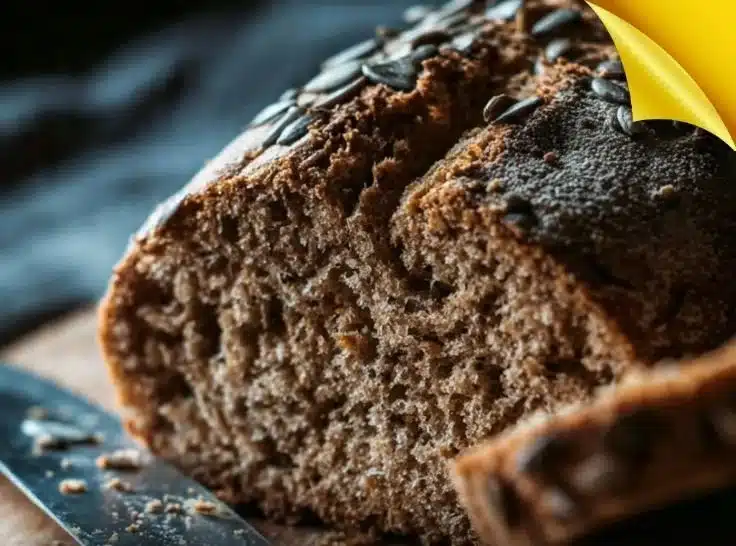
This 100% rye bread is a delightful addition to any meal. Its rich, nutty flavor comes from the blend of rye flour and seeds. The texture is hearty and chewy, making it perfect for sandwiches or toasting. Each slice is a treat on its own!
If you’re looking for a bread that satisfies your cravings while providing numerous health benefits, rye bread is a great choice. It is full of fiber and contains important nutrients that can help support a healthy diet. Plus, it’s gluten-free, making it suitable for those with gluten sensitivities.
Let’s explore why this rye bread stands out:
- Nutty Flavor: The sesame and pumpkin seeds add a delicious crunch and enhance the rye’s unique taste.
- Wholesome Ingredients: This recipe uses only natural ingredients, allowing you to create a guilt-free bread option.
- Satisfying Texture: The bread has a dense, chewy texture that fills you up without needing too many slices.
- Versatile Use: Whether for breakfast, lunch, or dinner, this rye bread can be used in many ways.
Nutritional Benefits
Eating rye bread can bring several health advantages. It is known to act as a great source of dietary fiber. This fiber helps keep your digestive system running smoothly and can help lower cholesterol levels.
Some nutritional benefits of rye bread include:
| Nutrient | Benefit |
|———————|————————————————|
| Fiber | Aids digestion and supports gut health |
| Zinc | Supports immune function |
| Magnesium | Helps with energy production |
| B Vitamins | Important for energy metabolism and brain health |
| Antioxidants | Helps combat oxidative stress |
Incorporating rye bread into your diet can assist in maintaining overall health and wellness. It can also keep you satisfied for longer, which may help with weight management.
What to Serve With 100% Rye Bread
Rye bread serves well in a variety of meals. Here is a list of some delicious pairings:
- Sandwiches: Use rye bread for classic sandwiches, like pastrami or turkey.
- Toast: Top with cream cheese and smoked salmon for a delightful breakfast or brunch.
- Soup: Pair it with a warm bowl of soup, like tomato or butternut squash.
- Salads: Use rye bread cubes in a salad for added texture.
- Spread: Enjoy it with butter or your favorite jam.
Feel free to experiment with toppings to find your favorite way to enjoy this wholesome bread!
How to Store 100% Rye Bread
Storing your rye bread properly is essential for keeping it fresh. Here are some tips:
- Room Temperature: Store in a bread box or a paper bag for short-term freshness. It is best consumed within a few days.
- Refrigeration: If you live in a humid area, you can store it in the refrigerator to prevent mold. Just be aware that refrigeration can dry it out.
- Freezing: For longer storage, slice the bread and place it in a freezer bag. This way, you can grab a slice whenever you want. It can be frozen for up to three months.
When ready to enjoy, simply toast or thaw the slices at room temperature.
Tips and Mistakes to Avoid
Making the perfect rye bread can require a little practice. Here are some tips to ensure your bread turns out great:
- Use Fresh Ingredients: Make sure your yeast is fresh. If it doesn’t foam in the water, it may be expired.
- Don’t Overwork the Dough: Rye flour is stickier and denser compared to wheat flour, so kneading should be gentle.
- Let It Rise Fully: Ensure the dough rises in a warm place; a slow rise allows the flavors to develop.
Mistakes to watch out for:
- Too Much Water: Rye absorbs water differently than other flours. Follow the recipe closely and adjust if needed.
- Underbaking: Ensure the bread is baked long enough. If it sounds hollow when tapped, it’s likely done!
- Skipping the Cooling Step: Allow the bread to cool completely before slicing to avoid a gummy texture.
Variations
While this recipe is a fantastic base, here are some variations to consider:
- Add Herbs: Enhance flavor by mixing in herbs like rosemary or thyme into the dough.
- Dried Fruits: Add dried fruits such as cranberries or apricots for a sweet twist.
- Seeds and Nuts: Experiment with different types of seeds and nuts like sunflower seeds or walnuts.
Each variation offers a unique flavor and nutrition profile that makes the bread even better!
FAQs
-
Can I use whole rye flour instead of light rye flour?
- Yes, you can use whole rye flour to make a denser bread. Just be aware that it may require slightly more water.
-
Can I make this bread without seeds?
- Absolutely! If you prefer a simpler bread, you can omit the seeds from the recipe.
-
How do I know when my bread is fully baked?
- The bread is completely baked when the crust is firm, and it sounds hollow when tapped on the bottom.
-
Can I use this recipe to make rolls instead of a loaf?
- Yes! You can shape the dough into rolls and bake them at the same temperature. Just watch them closely as they may bake faster.
-
Is this bread suitable for sandwiches?
- Yes, this rye bread is perfect for sandwiches, offering a hearty and flavorful base for your favorite fillings.
Enjoy creating your delightful 100% rye bread. Each loaf you make will not only be delicious but also packed with nutrition. Happy baking!